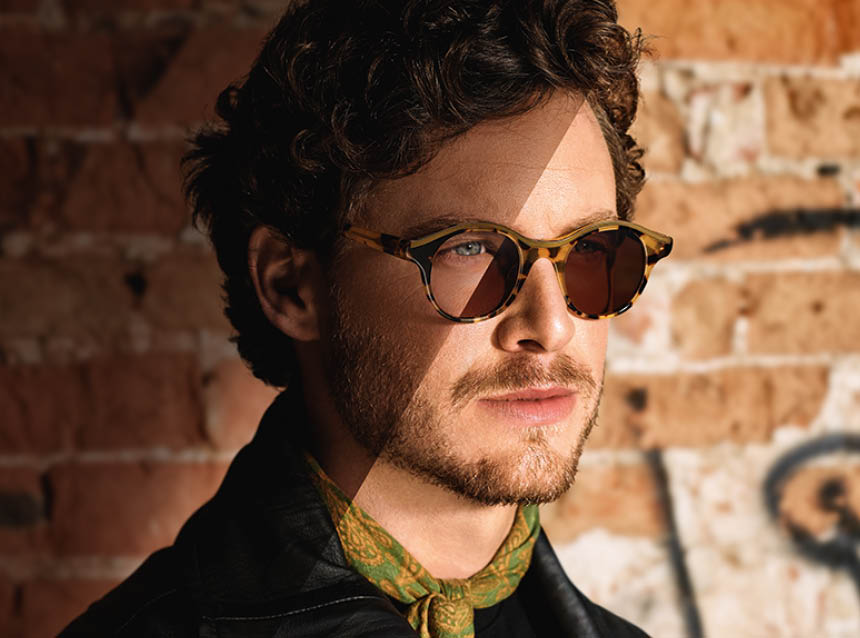
Marquee Effect
  • 70% Cheaper than high street opticians
  • 5-star reviews
  • Free tracked return postage
  • Glasses completed between 2 and 10 days

Reglazing Glasses with Transitions Lenses 

Rated 5 out of 5
0

/ 5.0

0 K

Happy customers

Description and Overview

Transitions Lenses

Transitions lenses, also known as photochromic lenses, are eyeglass lenses that automatically adjust their tint based on light exposure. These lenses darken when exposed to sunlight and return to a clear state indoors, providing seamless protection from harmful UV rays without the need for separate prescription sunglasses. Ideal for individuals who frequently move between different lighting environments, Transitions lenses offer the convenience of all-day, adaptive vision correction, ensuring optimal comfort and visual clarity in both bright outdoor settings and indoor lighting.

Benefits of Transitions Lenses
  1. Convenience: Eliminates the need to switch between regular glasses and sunglasses, adapting automatically to changing light conditions.
  2. UV Protection: Provides 100% UV protection, safeguarding your eyes from harmful rays.
  3. Versatility: Suitable for various activities and environments, from indoor reading to outdoor sports.
  4. Reduced Glare: Minimizes glare in bright conditions, enhancing visual comfort and reducing eye strain.
Weaknesses of Transitions Lenses
  1. Slower Adjustment: May take a few moments to change tint when moving between different lighting conditions.
  2. Temperature Sensitivity: May not darken as effectively in very hot weather and can take longer to clear in cold temperatures.
  3. Indoor Tint: Some lenses may retain a slight tint indoors, which might not be preferable for all users.
  4. Cost: Generally more expensive than standard lenses due to their advanced technology.

Reglazing Glasses with Transitions Lenses 

Transitions lenses provide a practical and versatile solution for individuals needing adaptive vision correction, offering the convenience of automatic light adjustment and UV protection. However, their performance can vary with temperature, and the cost is higher than that of traditional lenses.